Smart Living Secrets That Could Instantly Transform Your Daily Life
In an era where technology, efficiency, and well being are becoming increasingly important, the concept of smart living is gaining attention around the world.

Smart living is not just about using advanced technology in the home. It also involves adopting practical habits, thoughtful planning, and modern solutions that simplify daily routines while improving overall quality of life. When applied correctly, smart living NextGen Gadgets and Tech can help people save time, reduce stress, and create a healthier and more balanced lifestyle.
Understanding the Concept of Smart Living
Smart living refers to a lifestyle that focuses on efficiency, organization, and conscious decision making. It combines technology, good habits, and smart planning to create a life that is easier to manage. Instead of working harder to keep up with daily responsibilities, smart living encourages people to work smarter by using tools and strategies that make tasks simpler and more efficient.
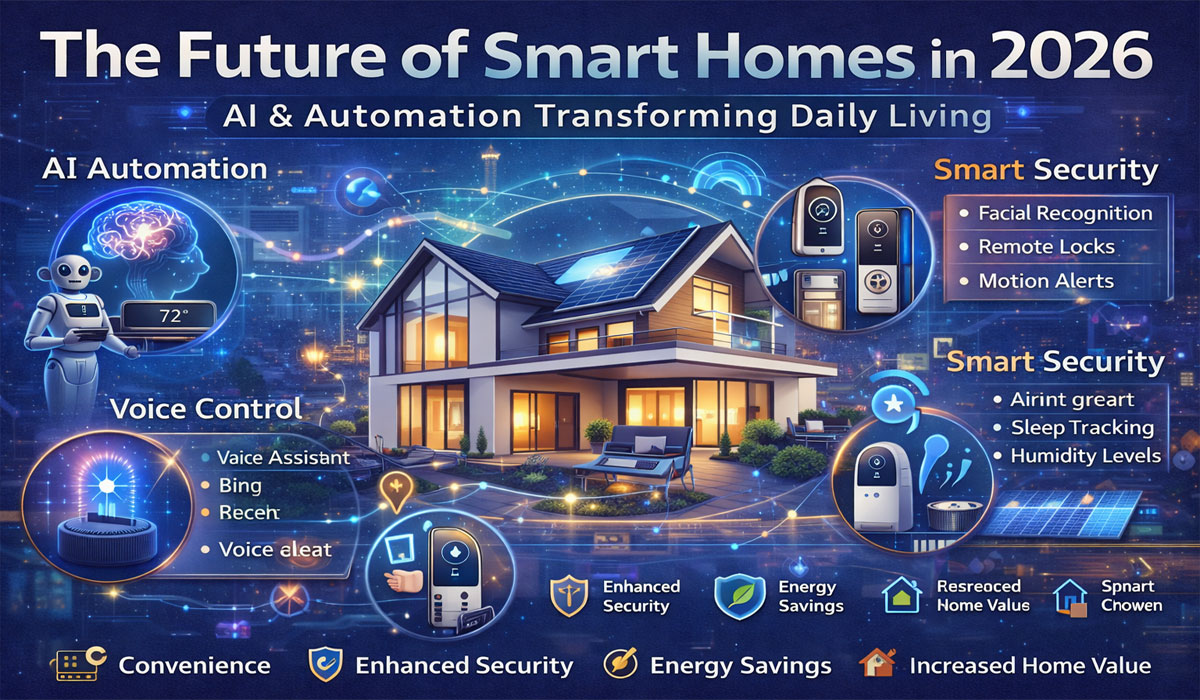
Many people associate smart living with smart home technology. Devices such as automated lighting, smart thermostats, and voice controlled assistants can help manage household tasks with minimal effort. These technologies allow homeowners to control their environment more efficiently while saving energy and reducing utility costs.
However, smart living is not limited to technology alone. It also includes lifestyle choices such as time management, mindful spending, and sustainable living practices. By combining practical habits with modern tools, individuals can build a lifestyle that promotes convenience, productivity, and long term well being.
Smart Homes and Modern Technology
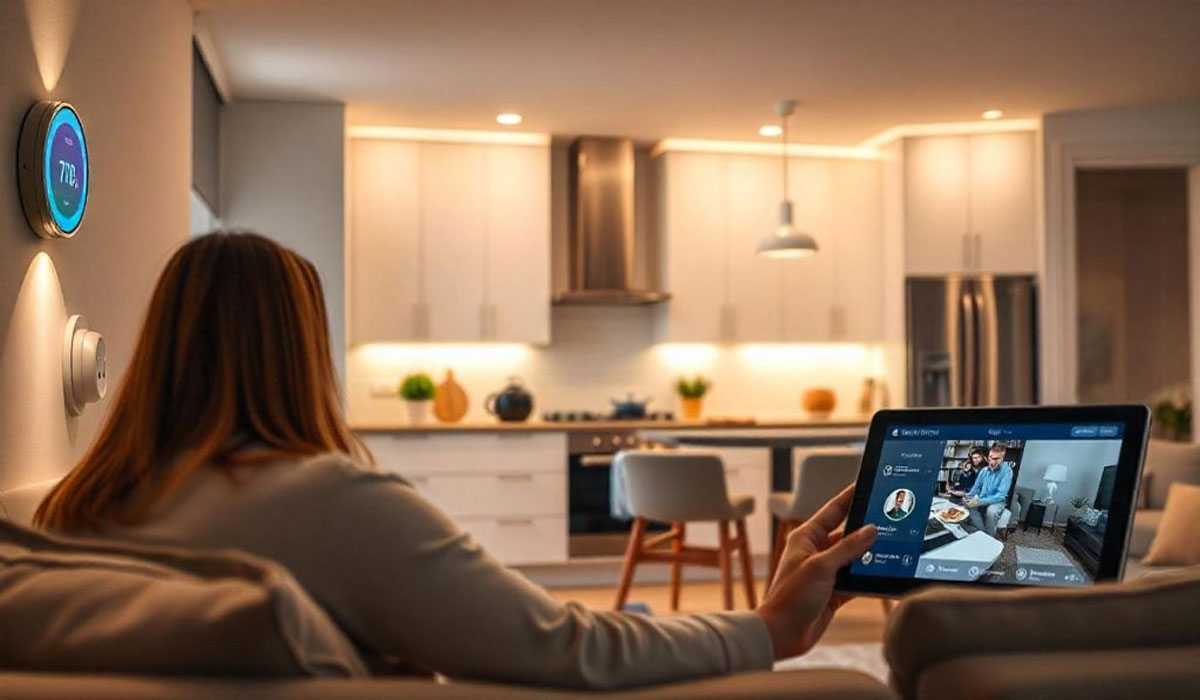
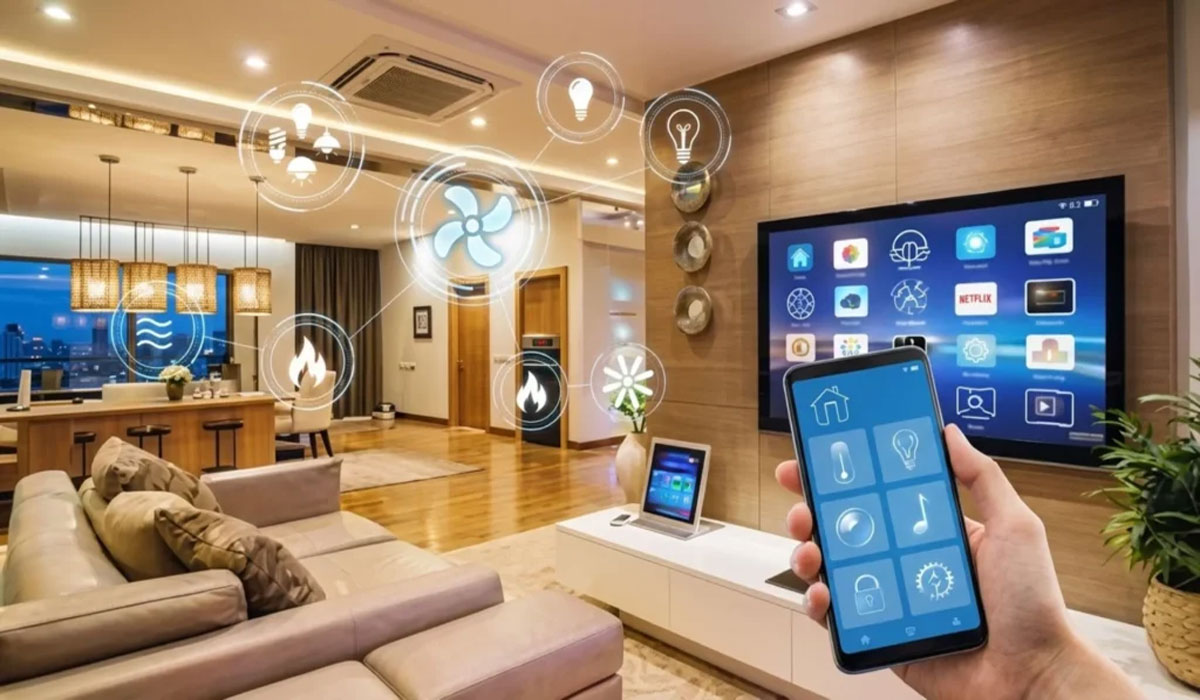
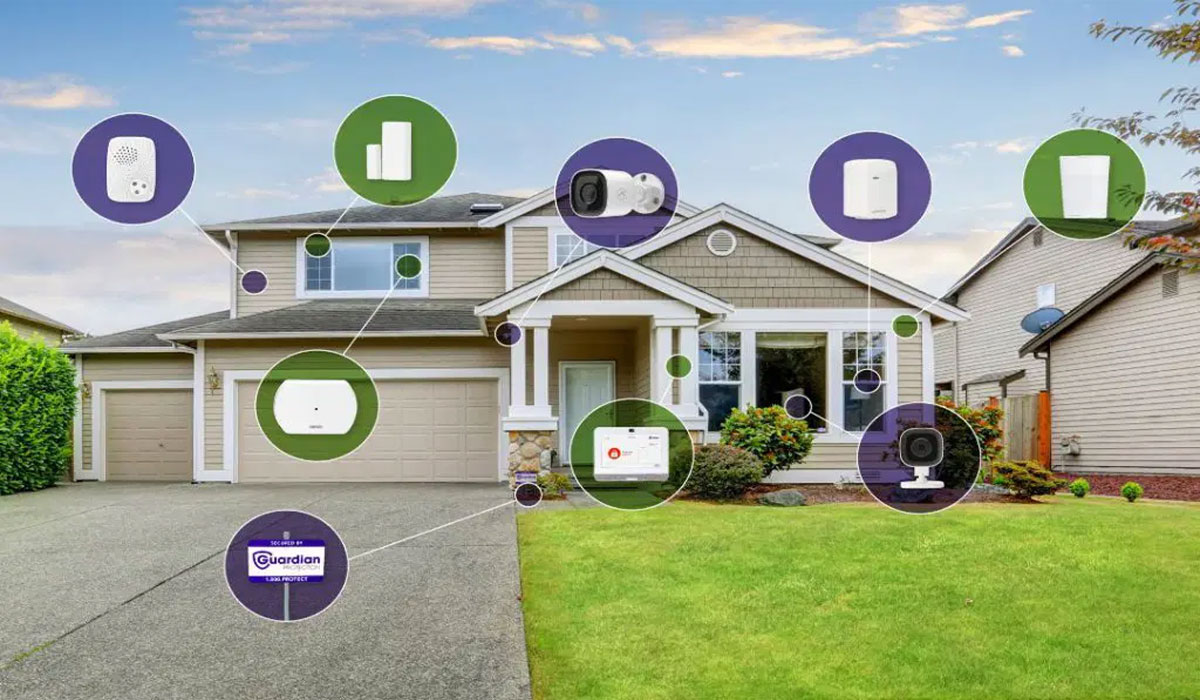
One of the most visible aspects of smart living is the rise of smart homes. Modern homes are increasingly equipped with devices that allow homeowners to control lighting, security systems, and appliances through smartphones or voice commands. These systems provide convenience while improving safety and energy efficiency.
Smart lighting systems, for example, can automatically adjust brightness based on the time of day or occupancy in a room. This reduces unnecessary electricity usage and creates a comfortable environment. Similarly, smart thermostats learn household routines and adjust heating or cooling settings to maintain comfort while minimizing energy consumption.
Home security has also improved significantly with smart technology. Smart doorbells, surveillance cameras, and motion sensors allow homeowners to monitor their property from anywhere. These systems provide peace of mind and allow quick responses to potential security concerns, making homes safer and more secure.
Read Also: The Ultimate Smartphones & Tablets Guide You Can’t Miss in 2026
Creating Efficient Daily Routines

Smart living is also about managing time and responsibilities more effectively. Many people struggle with busy schedules, work commitments, and personal obligations. Developing efficient routines can help reduce stress and improve productivity.
Planning daily tasks in advance is one simple strategy that supports smart living. Using digital calendars, reminder apps, or productivity tools helps individuals stay organized and prioritize important responsibilities. This prevents last minute pressure and allows people to complete tasks in a structured way.
Another important element is minimizing unnecessary distractions. Setting clear boundaries for work, rest, and leisure activities helps maintain balance in everyday life. When routines are organized and predictable, individuals can focus more effectively and maintain higher levels of energy throughout the day.
Sustainable Choices for a Smarter Life
Sustainability is becoming a key part of modern smart living. Making environmentally conscious decisions not only benefits the planet but also improves personal well being and reduces long term costs. Many households are now adopting habits that reduce waste and promote responsible consumption.
Energy efficiency is one important aspect. Using energy efficient appliances, reducing water consumption, and installing solar panels are examples of practical steps that support sustainability. These measures lower utility expenses while helping conserve natural resources.
Another important element is mindful consumption. Choosing durable products, reducing unnecessary purchases, and supporting environmentally responsible companies contribute to a more sustainable lifestyle. Small changes in daily habits can have a significant impact when practiced consistently over time.
Conclusion
Smart living is a modern lifestyle approach that combines technology, efficiency, and thoughtful decision making. By integrating smart home devices, organizing daily routines, and adopting sustainable habits, individuals can create a more balanced and productive life. The goal of smart living is not to complicate life with endless gadgets, but to use practical solutions that make everyday tasks easier and more efficient.
As technology continues to evolve and awareness about sustainable living grows, the concept of smart living will become even more important. People who embrace these principles often discover that small changes in habits and environment can lead to meaningful improvements in comfort, productivity, and overall quality of life.
Image Source:
- First Image from internasional.kompas.com
- Second Image from internasional.kompas.com