Smart Living Secrets That Will Make Your Life Instantly Easier
Smart living is no longer just a futuristic idea, but a practical approach to everyday life that uses technology, habits.

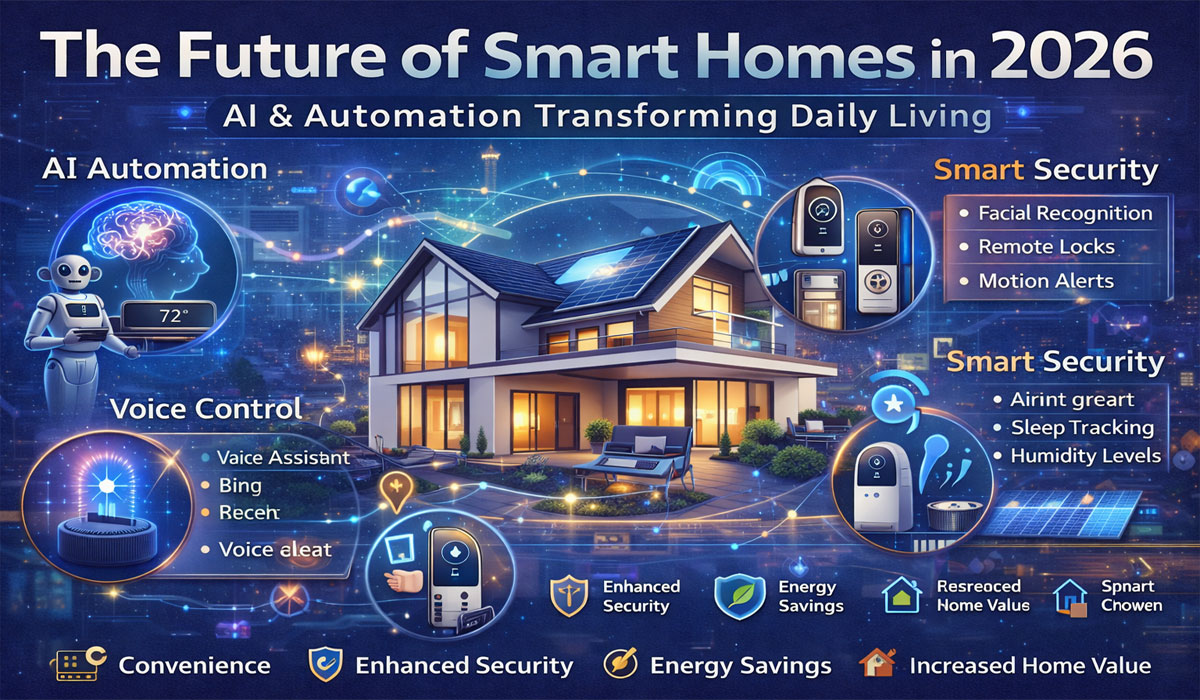
Thoughtful design to make daily routines simpler, faster, and more efficient Smart living is all about using modern technology, simple habits, and intelligent systems to reduce daily stress, save time, and make life more efficient, allowing people to focus more on what truly matters while everyday tasks become easier and more automated. See and follow the complete information only at NextGen Gadgets and Tech.
The Foundation of Smart Living at Home
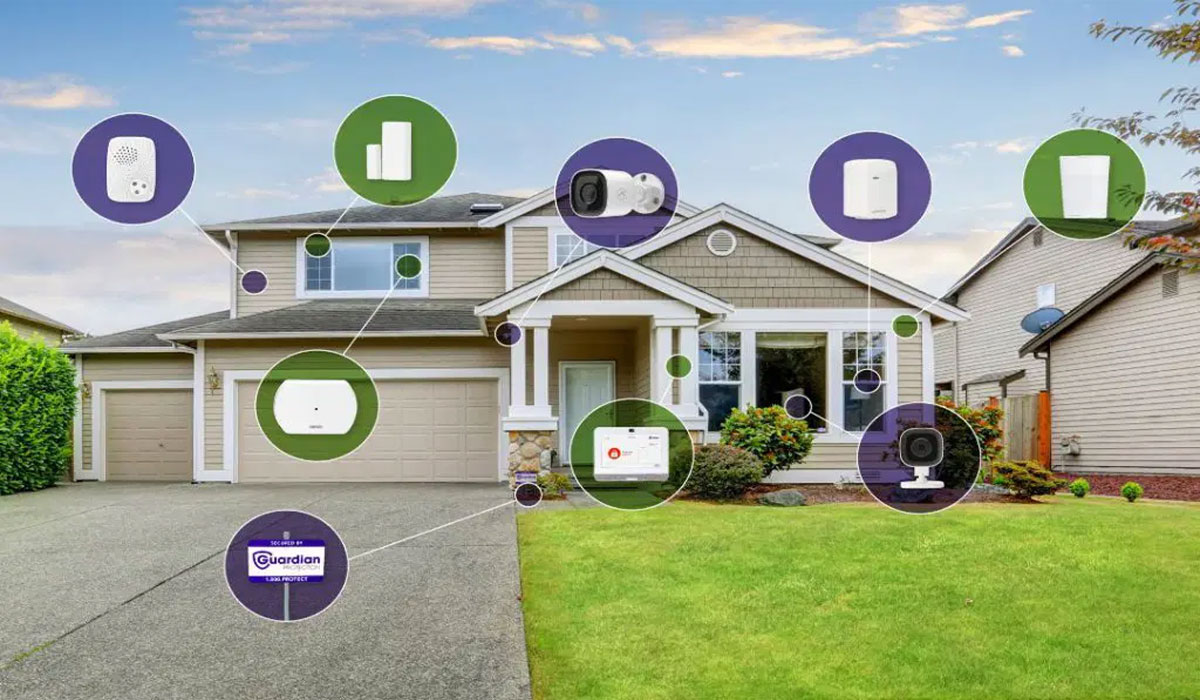
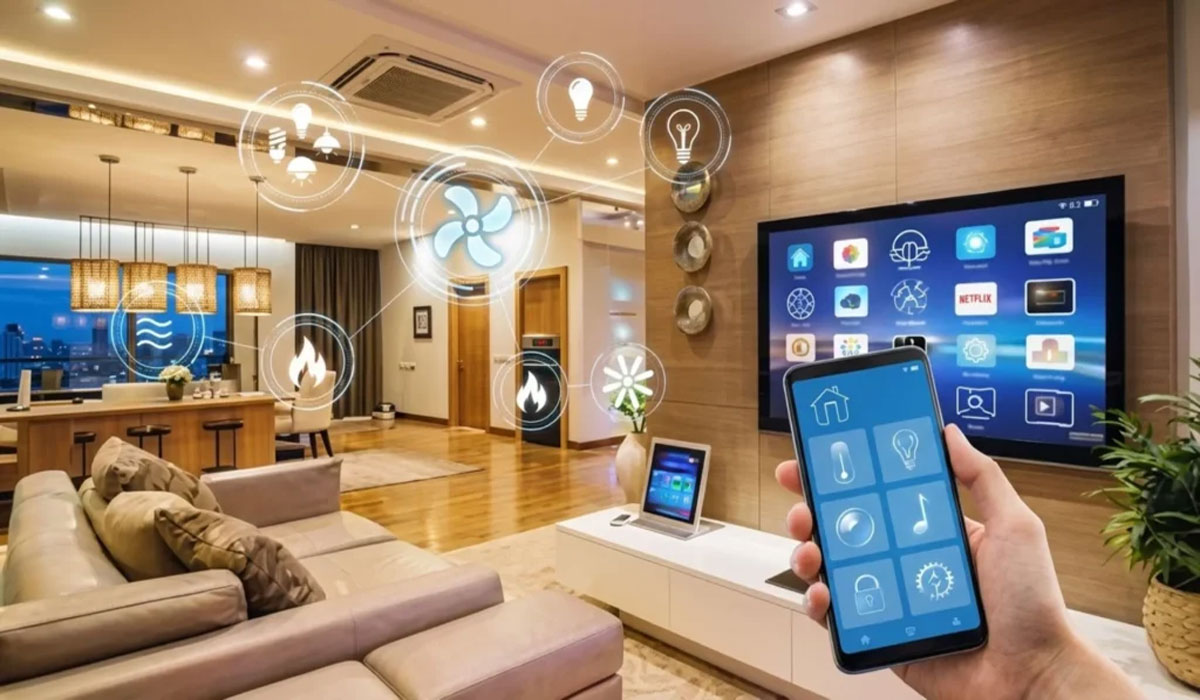
Smart living often begins at home, where technology is most commonly integrated into daily routines. Devices such as smart lights, thermostats, and voice assistants help automate simple tasks that once required manual effort.
In addition, these systems allow homeowners to control their environment with greater ease. For example, adjusting temperature, lighting, and security settings can now be done remotely through mobile applications.
Moreover, smart home technology is designed to save time and energy. As a result, people can focus more on important activities while routine tasks are handled automatically in the background.
How Smart Technology Improves Daily Routines
Beyond the home, smart living extends into everyday routines such as commuting, shopping, and communication. Digital tools now help people manage their schedules more effectively.
Furthermore, navigation apps and real-time traffic updates make travel more efficient by reducing delays and suggesting the fastest routes. This helps save both time and fuel.
In addition, online shopping platforms and digital payment systems simplify purchasing processes. Consequently, everyday errands become quicker and more convenient than ever before.
Also Read: Clash Royale The Most Intense Card Battle Experience Ever
The Role of Artificial Intelligence in Smart Living
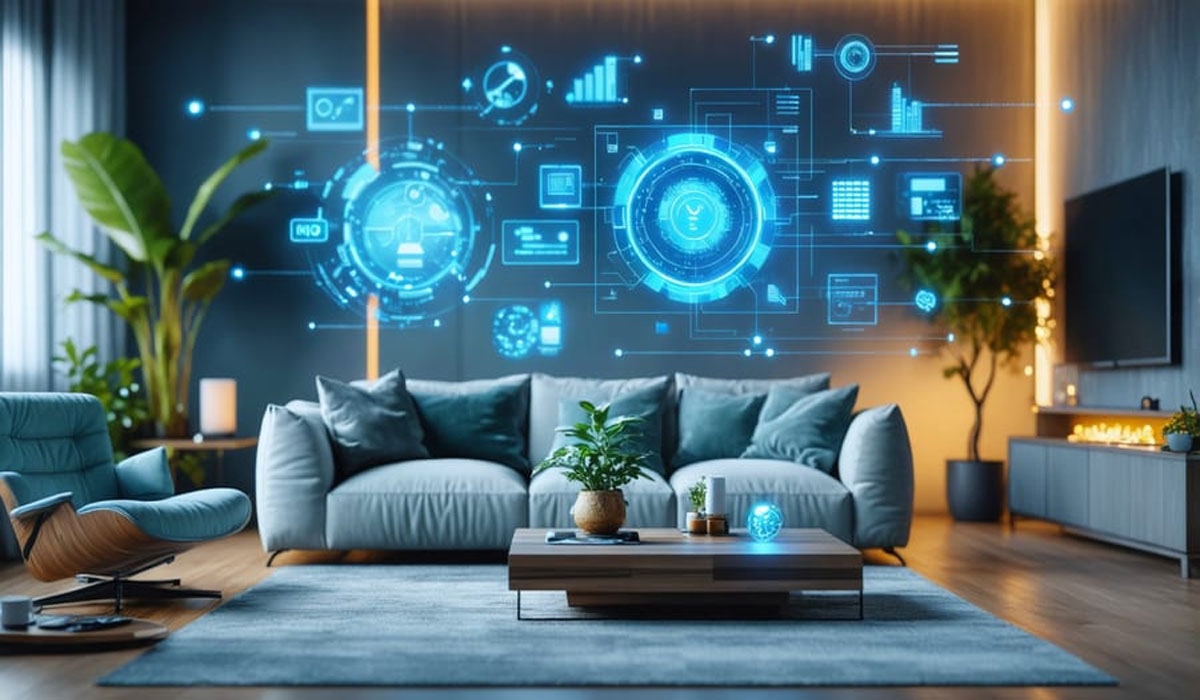
Artificial intelligence plays a central role in making smart living possible. It powers many of the systems that learn user behavior and adapt to individual preferences over time.
For instance, AI-driven recommendations on streaming platforms and shopping apps help users discover content and products that match their interests more accurately.
Moreover, AI is increasingly used in personal productivity tools. These systems assist with organizing tasks, setting reminders, and optimizing schedules for better time management.
Smart Living and Energy Efficiency
One of the most important benefits of smart living is improved energy efficiency. Smart systems are designed to reduce unnecessary energy consumption in homes and workplaces.
In addition, automated lighting and climate control systems adjust usage based on occupancy and environmental conditions. This helps lower electricity bills and reduce environmental impact.
Furthermore, energy monitoring tools provide real-time insights into consumption patterns. As a result, users can make more informed decisions about how they use resources.
The Impact of Smart Living on Lifestyle Quality
Smart living not only improves efficiency but also enhances overall quality of life. By reducing stress and simplifying tasks, it allows people to focus more on meaningful activities.
Moreover, the convenience offered by smart systems contributes to better time management. Individuals can achieve more in less time, creating a healthier work-life balance.
At the same time, smart living encourages more organized and intentional lifestyles. This leads to improved productivity, comfort, and personal satisfaction.
Conclusion
Smart living represents a shift toward more efficient, connected, and intentional ways of managing daily life through the use of technology and innovative systems.
As these technologies continue to evolve, smart living will become even more integrated into everyday routines, offering greater convenience, sustainability, and overall quality of life for people around the world.
Image Information Source:
- First Image of scet.berkeley.edu
- Second Image of scet.berkeley.edu