The Ultimate Smart Living Guide Everyone Will Be Using in 2026
In 2026, smart living is no longer a luxury reserved for tech enthusiasts it has become a practical, accessible way to improve everyday life.
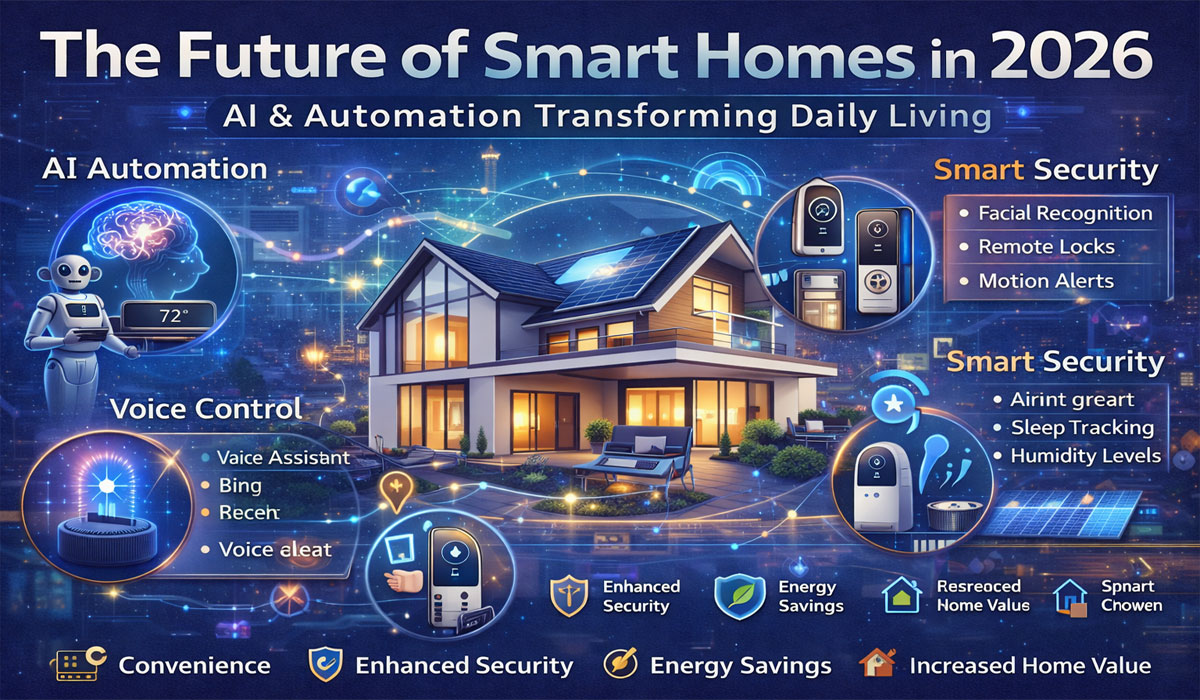
From intelligent homes to mindful routines and sustainable habits, smart living blends technology with intentional choices. The goal is simple: create a lifestyle that saves time, reduces stress, improves efficiency, and enhances overall well-being.
Below we NextGen Gadgets and Tech explores how to navigate gadget reviews effectively, helping readers identify the best technology that suits their lifestyle, budget, and performance needs. It provides insights into comparing features, understanding specifications, and making smarter tech purchasing decisions.
Building a Truly Smart Home
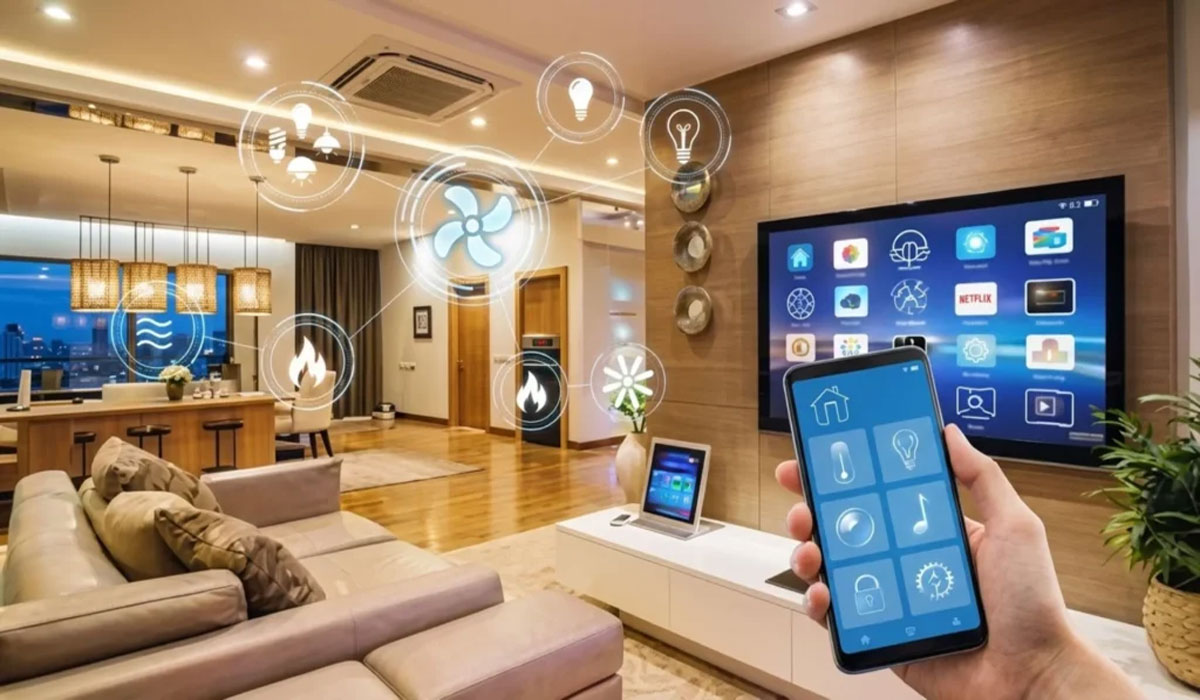
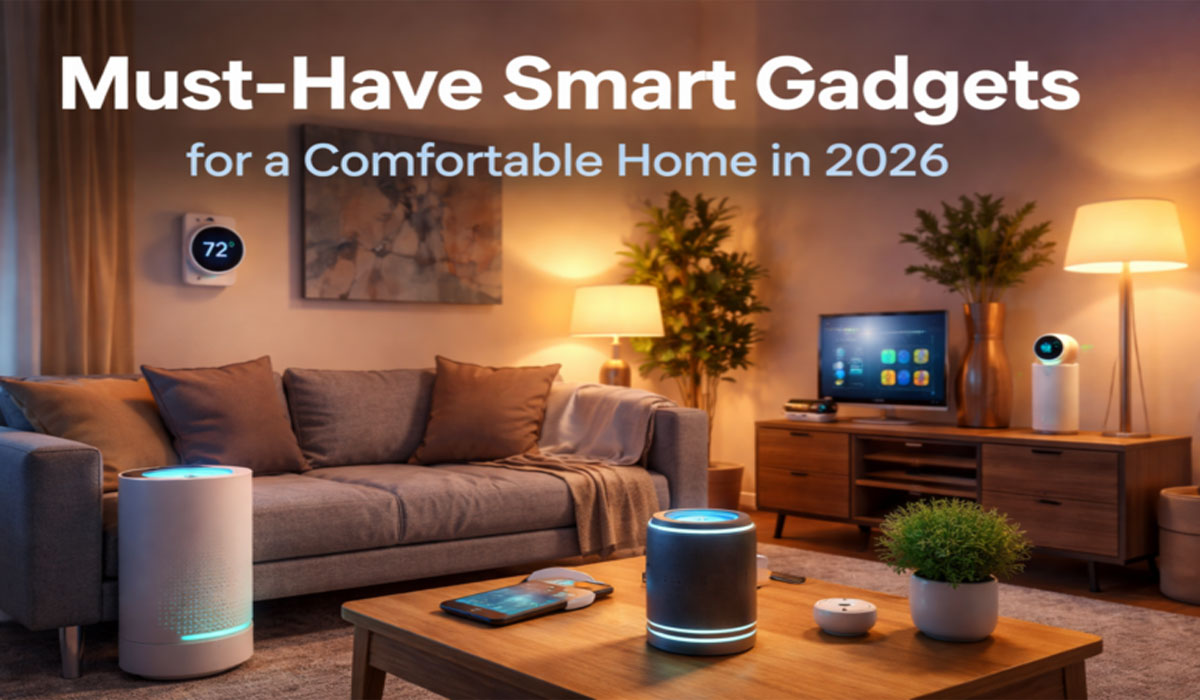
A smart home in 2026 goes far beyond voice assistants and automated lighting. Integrated ecosystems now allow homeowners to control security systems, appliances, climate settings, and entertainment devices from a single platform. These systems learn user preferences over time, adjusting lighting brightness, temperature, and even music playlists automatically.
Energy efficiency is one of the biggest advantages of smart home technology. Smart thermostats optimize heating and cooling schedules, while intelligent lighting systems reduce electricity usage by turning off when rooms are unoccupied. Solar panel integration and home battery storage solutions further enhance sustainability and reduce long-term utility costs.
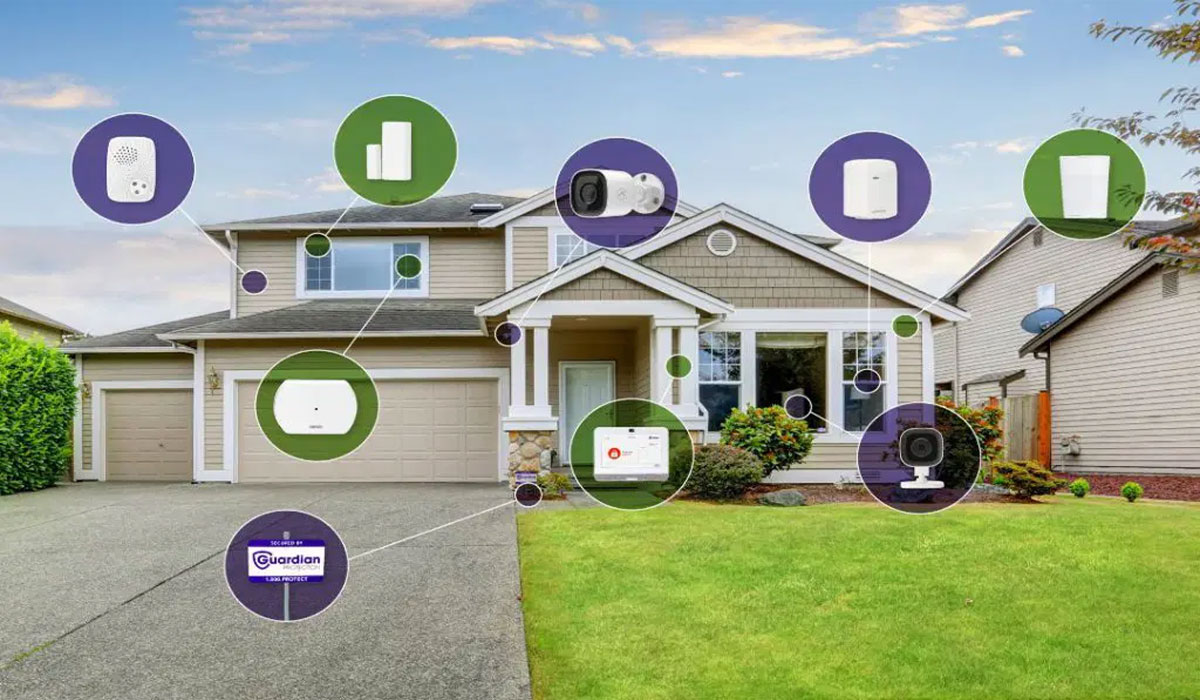
Security has also become more advanced. AI-powered cameras and doorbell systems offer facial recognition, motion detection alerts, and real-time remote access. This added layer of safety provides peace of mind, allowing homeowners to monitor their property from anywhere in the world.
Mastering Digital Productivity
Smart living is not limited to physical spaces; it extends to how we manage time and tasks. Digital productivity tools in 2026 combine AI scheduling, automated reminders, and integrated task management systems. These tools help individuals prioritize responsibilities and reduce mental clutter.
Virtual assistants now handle more than simple commands. They can summarize emails, organize files, suggest efficient workflows, and even analyze work patterns to recommend better time management strategies. This reduces overwhelm and increases focus on meaningful tasks.
The key to mastering digital productivity lies in intentional usage. Setting boundaries for screen time, using distraction-blocking apps, and creating structured digital routines ensure that technology enhances life rather than dominating it.
Read Also: AI Robots Are Taking Over: Humans Could Be Out of Work Sooner Than You Think!
Embracing Sustainable and Mindful Habits
Smart living also means making conscious decisions that benefit both individuals and the environment. In 2026, many households adopt zero-waste principles, composting systems, and reusable materials to minimize environmental impact. Smart waste bins and recycling trackers even provide data to help families reduce consumption.
Sustainable transportation is another major trend. Electric vehicles, shared mobility services, and bike-friendly urban planning contribute to lower carbon footprints. Smart navigation apps recommend the most energy-efficient routes, combining convenience with environmental responsibility.
Mindfulness complements sustainability. Meditation apps, sleep trackers, and wellness wearables monitor health metrics, encouraging balanced routines. By integrating awareness into daily life, individuals improve both mental and physical well-being.
Financial Intelligence and Automation
Financial management has become smarter and more streamlined in 2026. AI-driven budgeting apps analyze spending patterns, identify unnecessary expenses, and suggest personalized saving strategies. Automatic investment platforms allocate funds based on risk tolerance and long-term goals.
Smart payment systems and digital wallets provide seamless transactions while enhancing security. Biometric authentication, fraud detection alerts, and encrypted systems protect personal finances. Automation ensures bills are paid on time, eliminating late fees and reducing stress.
Financial intelligence also involves education. Online platforms now offer real-time market insights and tailored learning modules, empowering individuals to make informed decisions. By combining automation with knowledge, people can build stable and resilient financial futures.
Conclusion
Smart living in 2026 represents a harmonious blend of technology, sustainability, productivity, and mindfulness. From intelligent homes and digital organization to eco-friendly habits and automated finances, this lifestyle prioritizes efficiency without sacrificing balance.
The true essence of smart living is not about having the latest gadgets but about making thoughtful choices that improve daily experiences. By adopting these strategies, anyone can create a life that is organized, secure, sustainable, and deeply fulfilling in the modern world.
Image Source:
- First Image from internasional.kompas.com
- Second Image from internasional.kompas.com